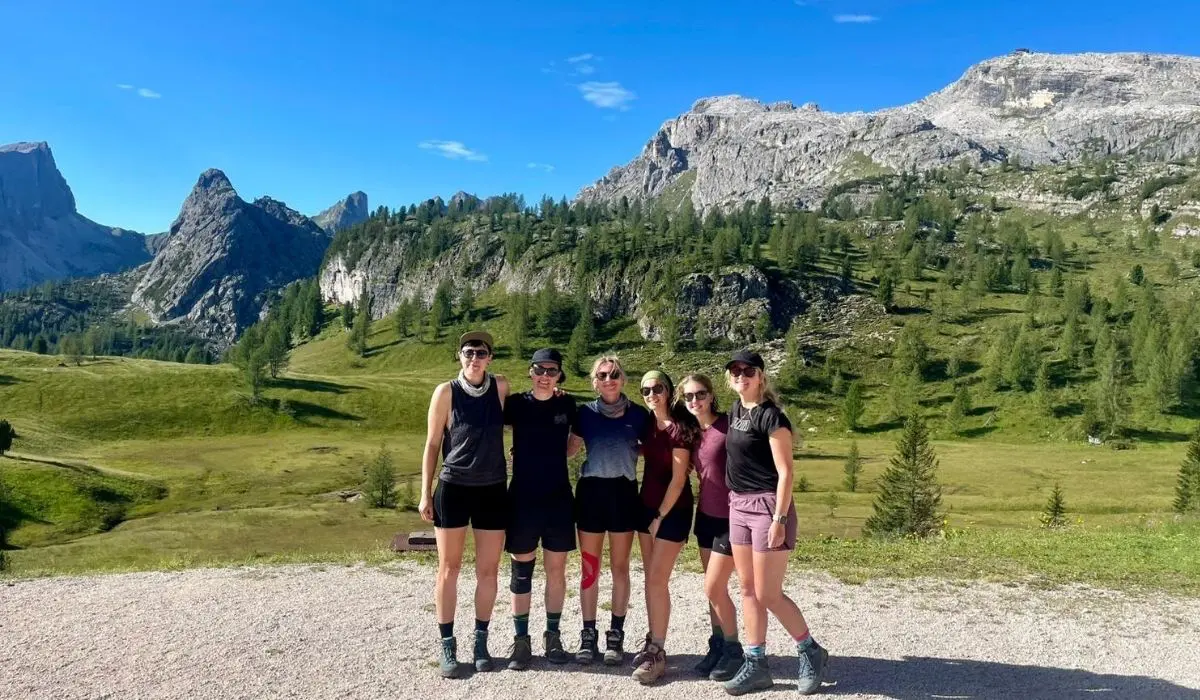
What is The Dolomiti Trail?
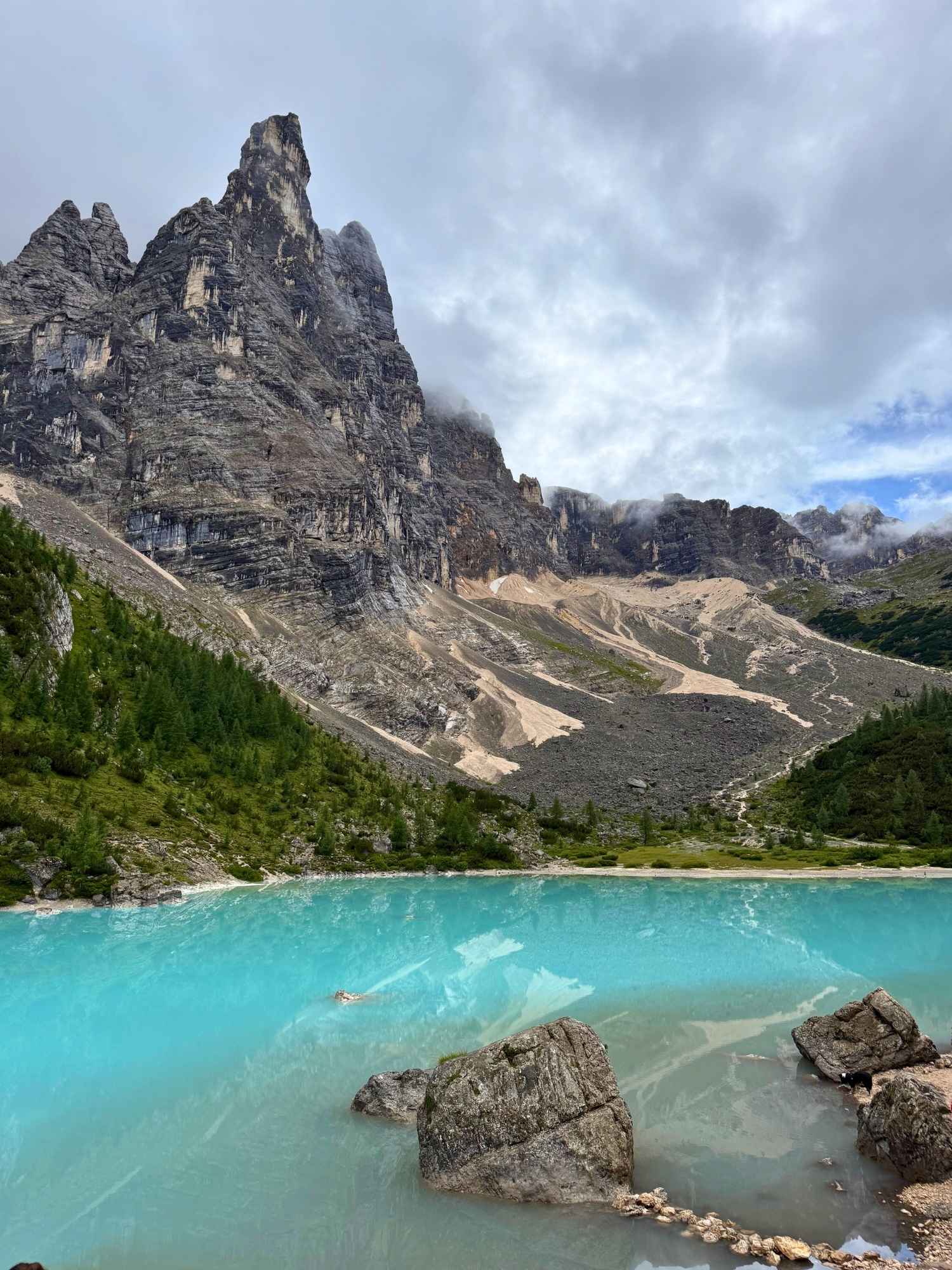
I’ll be honest. When I saw the images of the Dolomites online – those rocky peaks, that blue water, that sky—I thought: it can’t actually look like that, right? Everyone knows that feeling. Reality usually ends up being a bit of a disappointment.
Spoiler: it wasn’t a disappointment here. And The Dolomiti Trail had everything to do with that.
The Dolomiti Trail is a self-guided multi-day hike through the heart of the Dolomites in northern Italy. On day one, you receive an extensive briefing from the English-speaking rangers: explanations about the route, the gear, and everything else you need. After that, you set off at your own pace – no guide pushing you forward, no fixed group schedule. This gives you the freedom of your own adventure with the reassurance that someone is standing by if needed.
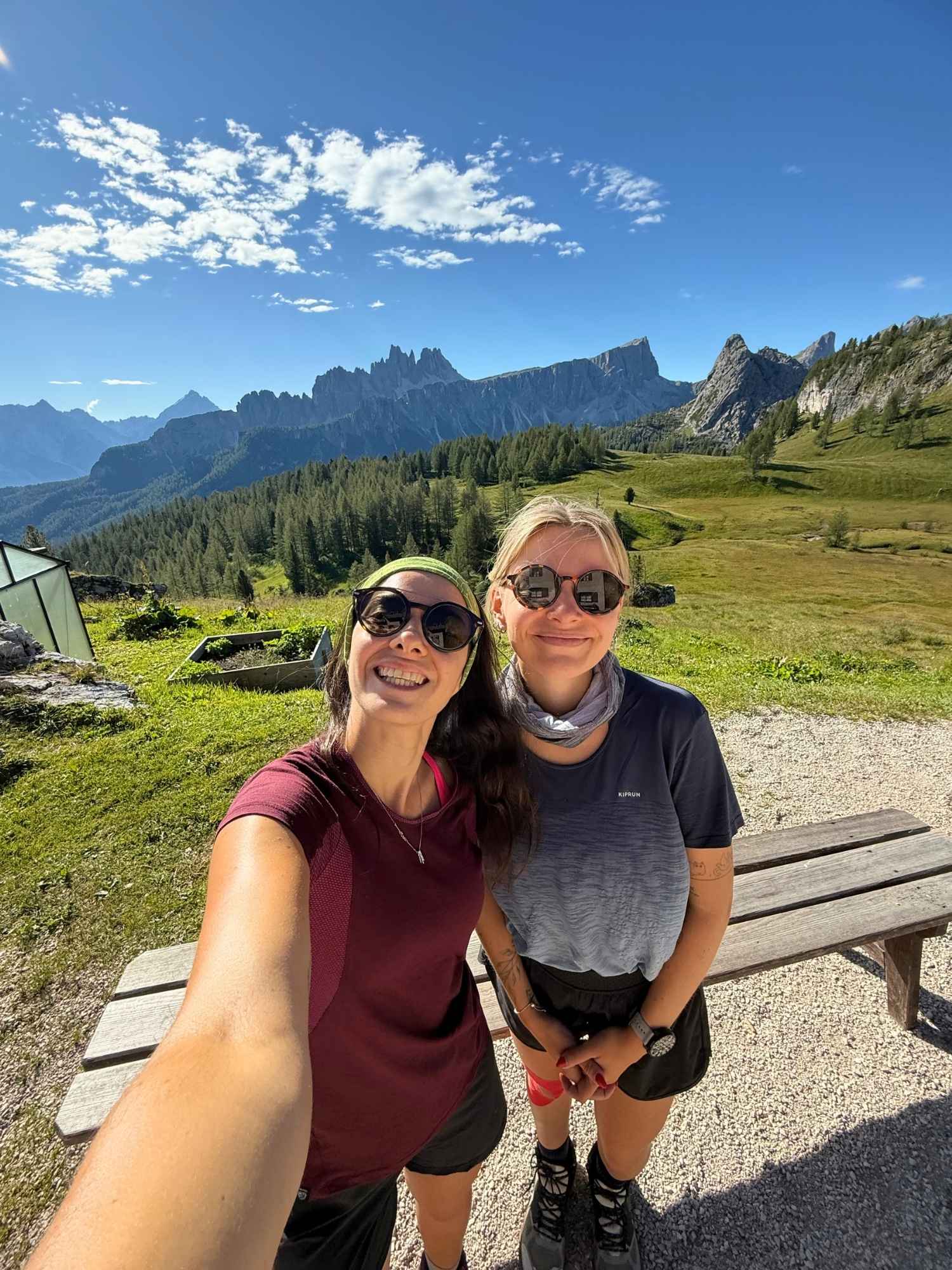
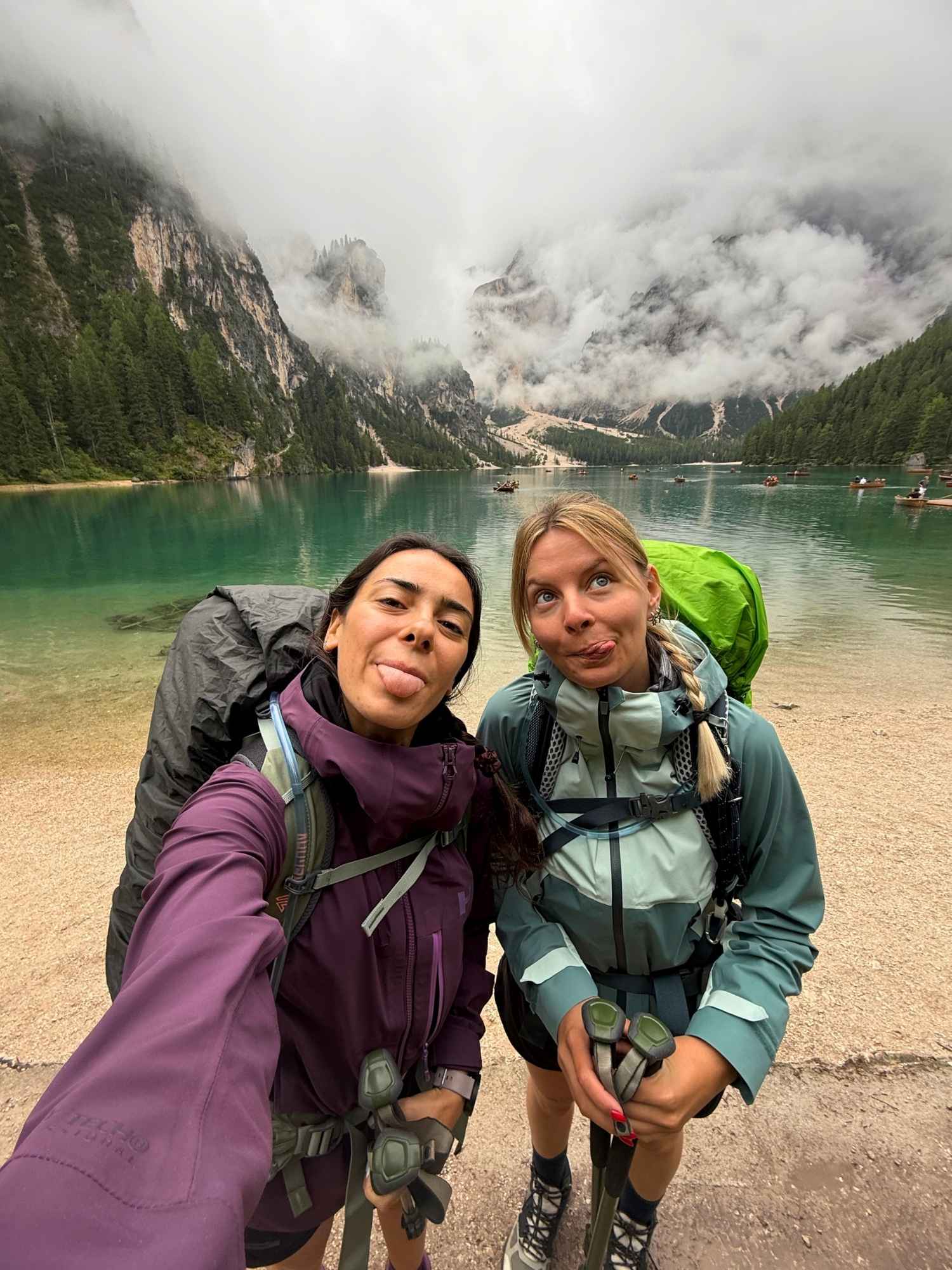
I did the trail in July with my friend Ines, and in five days, we literally experienced everything: radiant sunshine, fog, rain, and thunderstorms at the summit. In the mountains, the weather knows no bounds, and that’s simply part of the deal.
I already had The Jordan Trail and The Iceland Trail under my belt, but for me personally, The Dolomiti Trail was the most challenging of the three. And that is exactly why it was so rewarding.
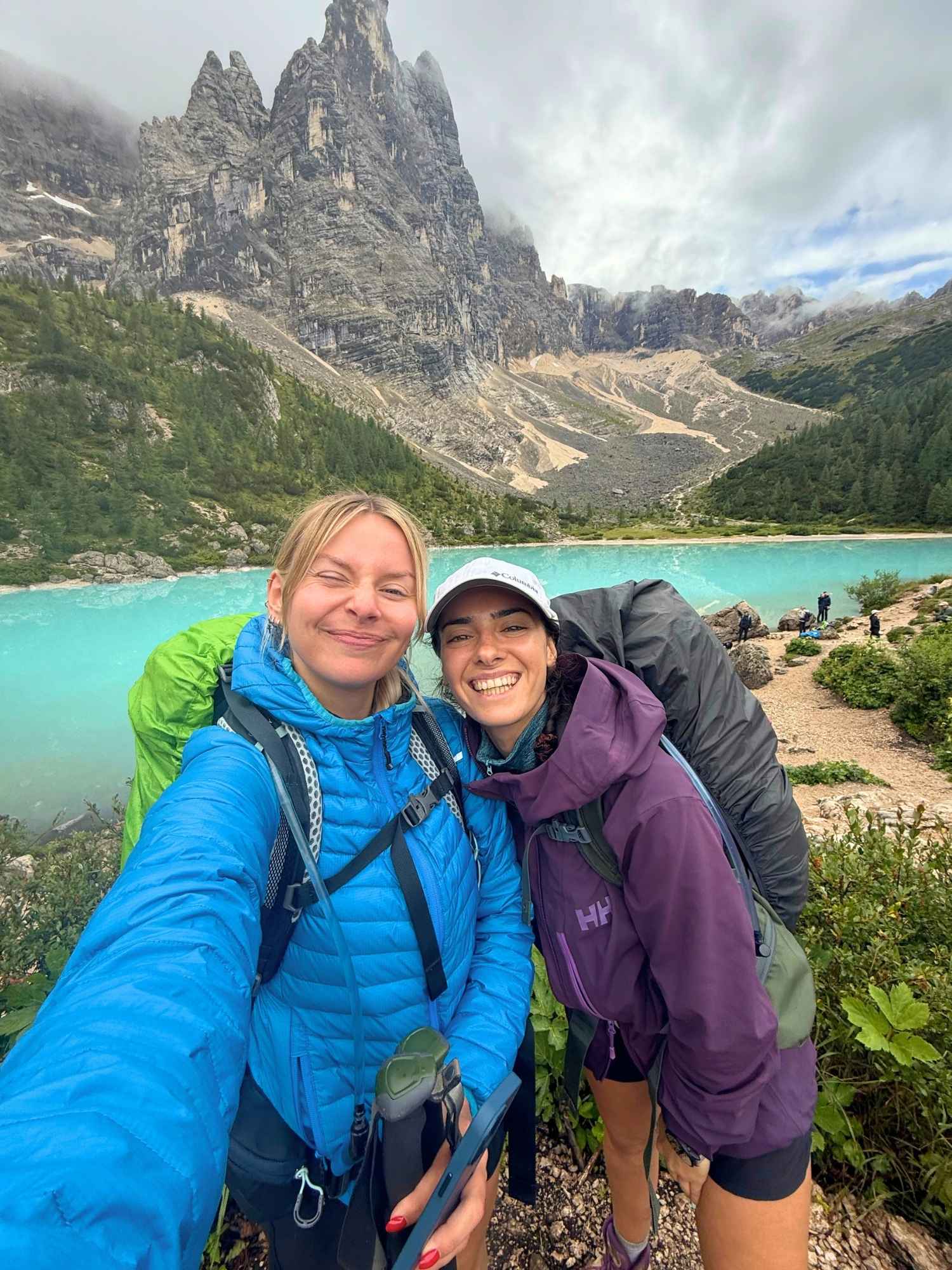
Challenging? Absolutely. Worth it? Even more so.
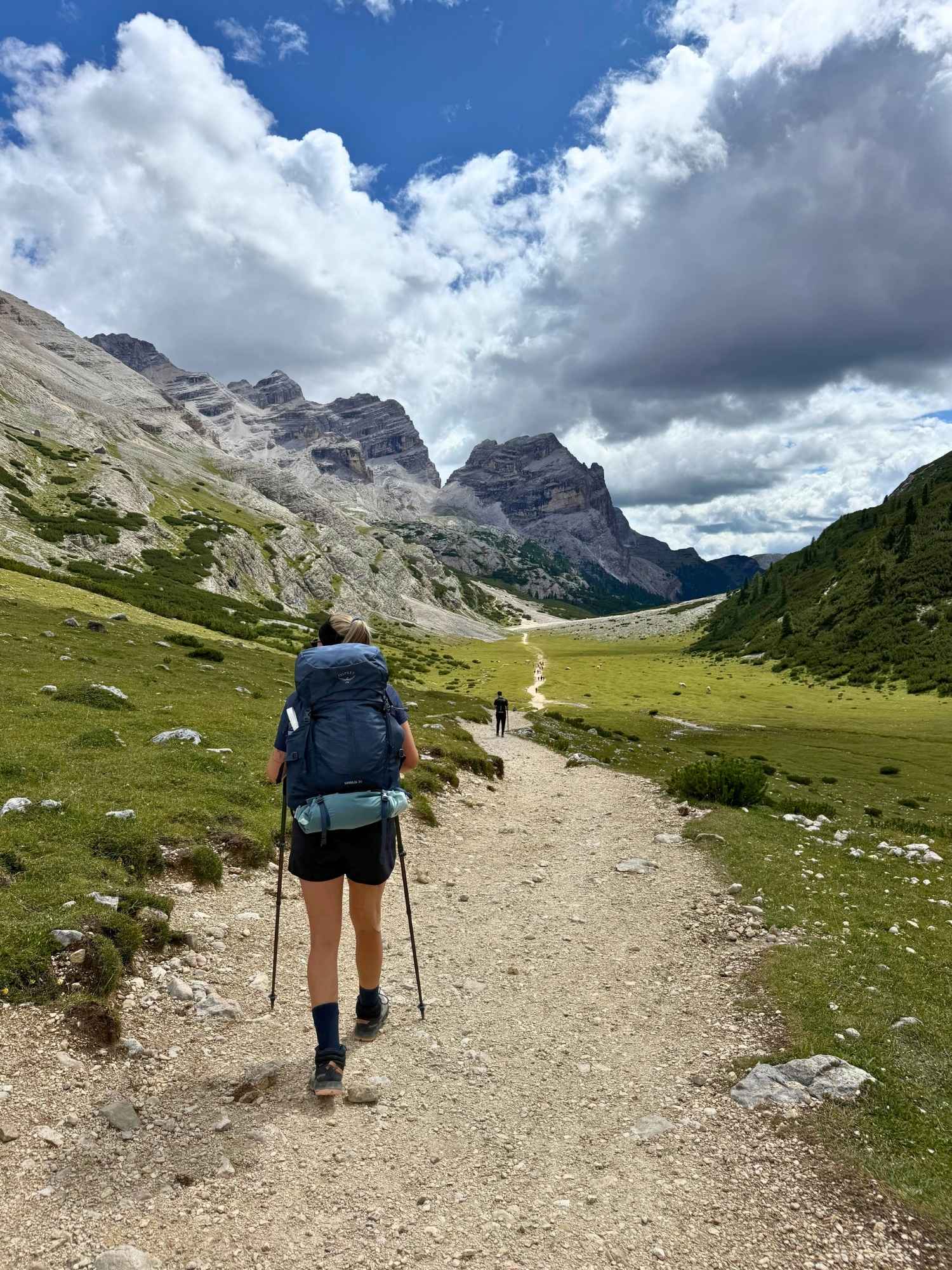
The Dolomiti Trail is not your average walk, and that’s exactly the point. The terrain is varied and sometimes rocky; you tackle significant elevation gains. Daily distances range between ten and twenty kilometers. With the right preparation and gear, you can go further than you think. I hiked 20 kilometers with a backpack every weekend for two months, and it paid off. The trail asks a lot of you, but every day offers a reward you won’t soon forget.
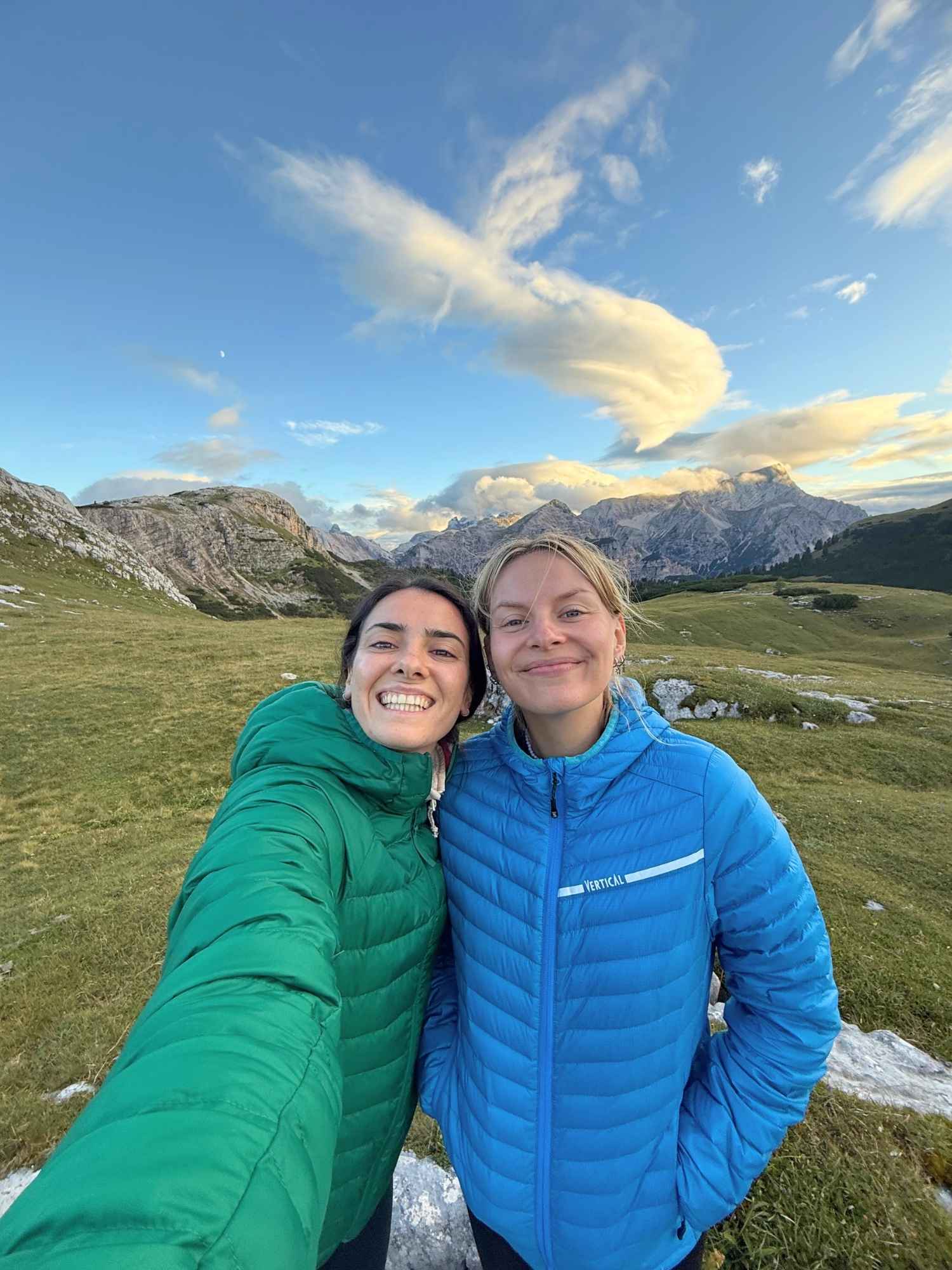
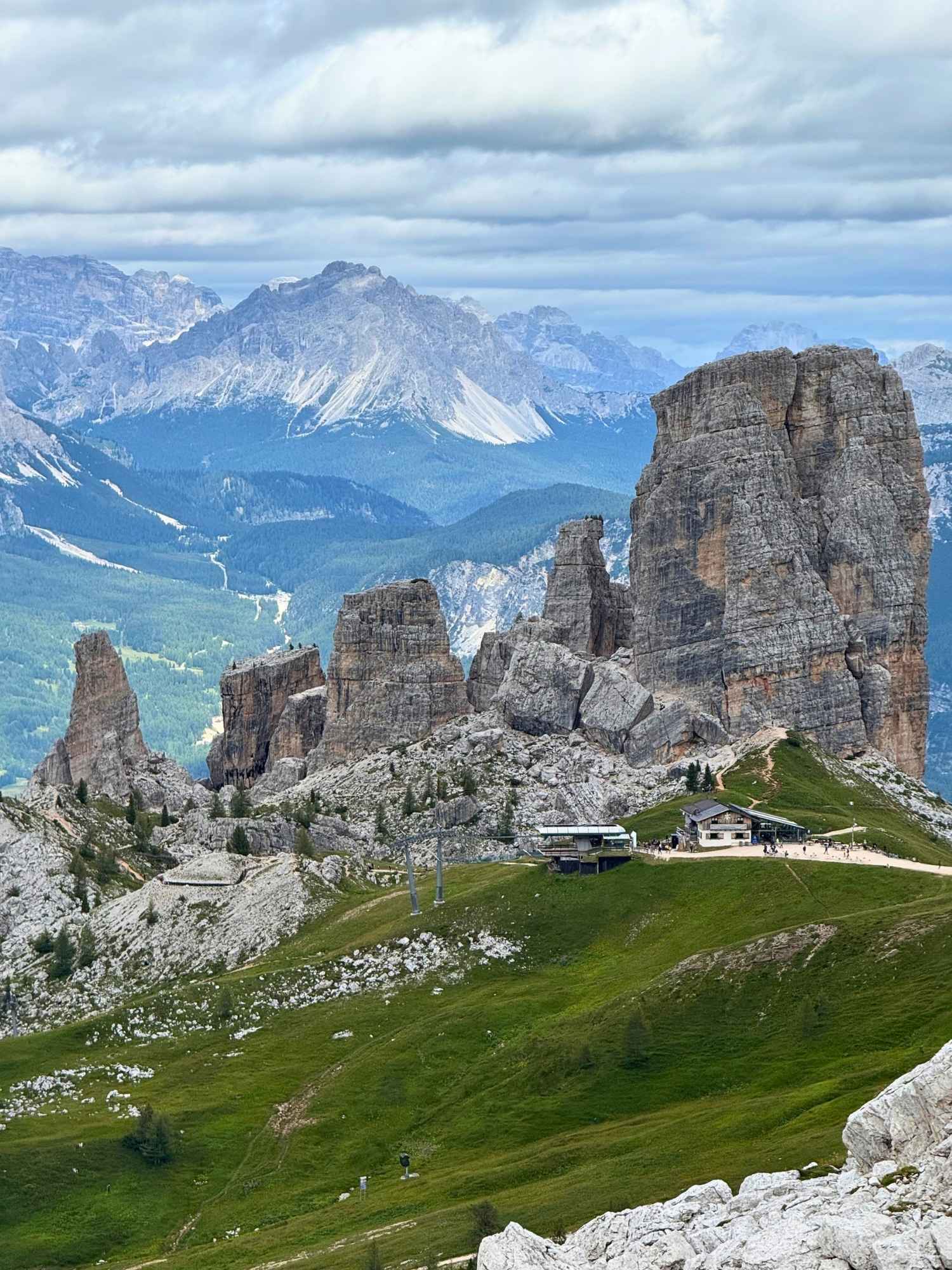
The route in a nutshell
The trail starts at Lago Sorapis and ends in Cortina d’Ampezzo, one of Italy’s most famous mountain villages. Five days, five stages, each with its own character.
-
Day 1 is a beautiful opener along the lake.
-
Day 2 takes you from the iconic Lago di Braies toward San Vigilio di Marebbe.
-
Day 3 is the longest day at 22 kilometers.
-
Day 4 demands the most from your legs: 1,300 meters of elevation gain up toward Alpe Lagazuoi.
-
Day 5 descends into Cortina, with an optional sixth day around the Tre Cime di Lavaredo as a grand finale.
Staying overnight in the mountains: more comfortable than you think
I had never slept in a mountain hut before. To be honest, I didn’t quite know what to expect.
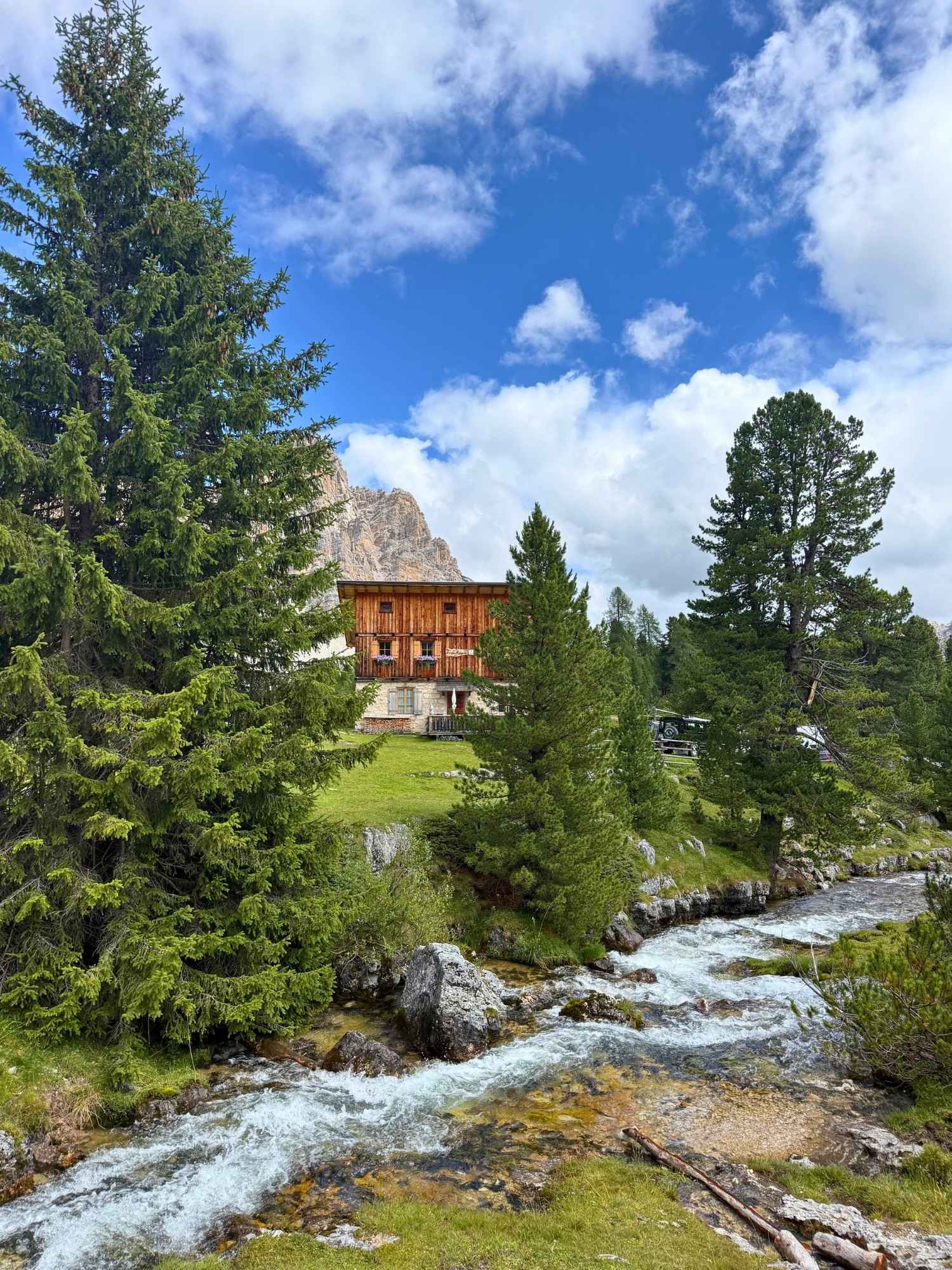
You spend the first night in a hotel – a soft landing. The last night as well, if you choose that option. But in between, you stay in the rifugi, the traditional Italian mountain huts, and they are genuinely good. You get a shower every morning and food that you’ve more than earned after a day of hiking. Pasta, soup, local wine. And the atmosphere? Cozy and authentic – exactly what you need after a day in the mountains.
What stayed with me the most
The lakes.
I had expected the rocks, the vistas, and the altitude. But those lakes… I didn’t see that coming. The water is a shade of blue you won’t believe until you’re standing right in front of it. Bright green at the edges, deep blue in the middle, and so transparent you can see the bottom. You just stand there staring, and your brain refuses to accept that this is real.
That is the moment you realize: the photos on the internet didn’t do it justice. The Dolomiti Trail takes you to places you would never find on your own.
Is The Dolomiti Trail for you?
Are you looking for a hike that stays with you? One where you sit at the table in the evening, exhausted and satisfied, feeling like you’ve experienced something truly worthwhile? Then The Dolomiti Trail is exactly what you’re looking for.
Prepare well, pack the right gear, and let the Dolomites do the rest. Ines and I are already planning our next one. But honestly? The Dolomites are going to be hard to beat.
My tips for The Dolomitis Trail
-
Depart prepared. Build up your fitness gradually before the trail. Personally, I went for a 20-kilometer hike with a backpack every weekend for two months leading up to the trip. If you do that, you’ll step into the mountains with confidence.
-
Pack layers. Even in July. Weather in the mountains changes rapidly; a sunny morning can easily end with rain at the summit. A high-quality raincoat is not an unnecessary luxury.
-
Enjoy the rifugi. I understand the temptation to eat quickly and go to bed early, but take your time at the table. The food is excellent, the atmosphere is cozy, and it’s a vital part of the experience.
-
Listen closely to the day one briefing. The rangers will give you all the information you need. Take that time seriously, as you will need that knowledge once you’re out on the trail.